
InfiniBand Adapters
NVIDIA ConnectX-7, ConnectX-8 HCAs and BlueField DPUs. Server-side InfiniBand adapters with RDMA, GPUDirect and PCIe Gen5 support.
The InfiniBand adapter (HCA) is the component that connects a server to the fabric and makes RDMA possible. With RDMA, data moves from the memory of the source server into the memory of the target server without occupying the CPU; operating system copy layers drop out of the path. In GPU clusters, GPUDirect takes this one step further: data leaves GPU memory straight for the network instead of routing through host memory.
ConnectX-7 runs at the NDR tier (400Gb/s) and ConnectX-8 at XDR (800Gb/s). BlueField DPUs add ARM cores on top of the adapter and can take over networking, storage and security functions from the host processor.
The decisive details in card selection sit on the server side: the generation of the PCIe slot, its lane count, and its position relative to the GPUs. Mevasis checks the slot topology of your server model before quoting and states which slot the card should go into.
How to choose
Port count and speed
A single-port card is enough for most compute nodes. Dual-port cards make sense when you need link redundancy or a connection into two separate fabrics (compute plus storage). The card's speed tier must come from the same generation as the switch it connects to.
PCIe generation and lane count
Saturating a 400Gb/s port requires a PCIe Gen5 x16 slot; in a Gen4 x16 slot the card works but bandwidth is limited to roughly half. Verify the slot generation on your server board and how slots are shared with GPUs before ordering — this is the most common cause of lost performance we see in the field.
HCA or DPU?
A ConnectX-family HCA is sufficient for classic compute nodes. BlueField DPUs take networking, storage and security work off the host CPU, which pays off in multi-tenant environments and on storage targets. The price difference is significant, so choose a DPU only if you genuinely plan to offload.
GPUDirect and topology alignment
To get full value from GPUDirect RDMA the adapter must sit under the same PCIe switch or CPU socket as the GPU. If card placement is not planned against the server topology, traffic detours across the inter-socket link and latency rises.
Products 2
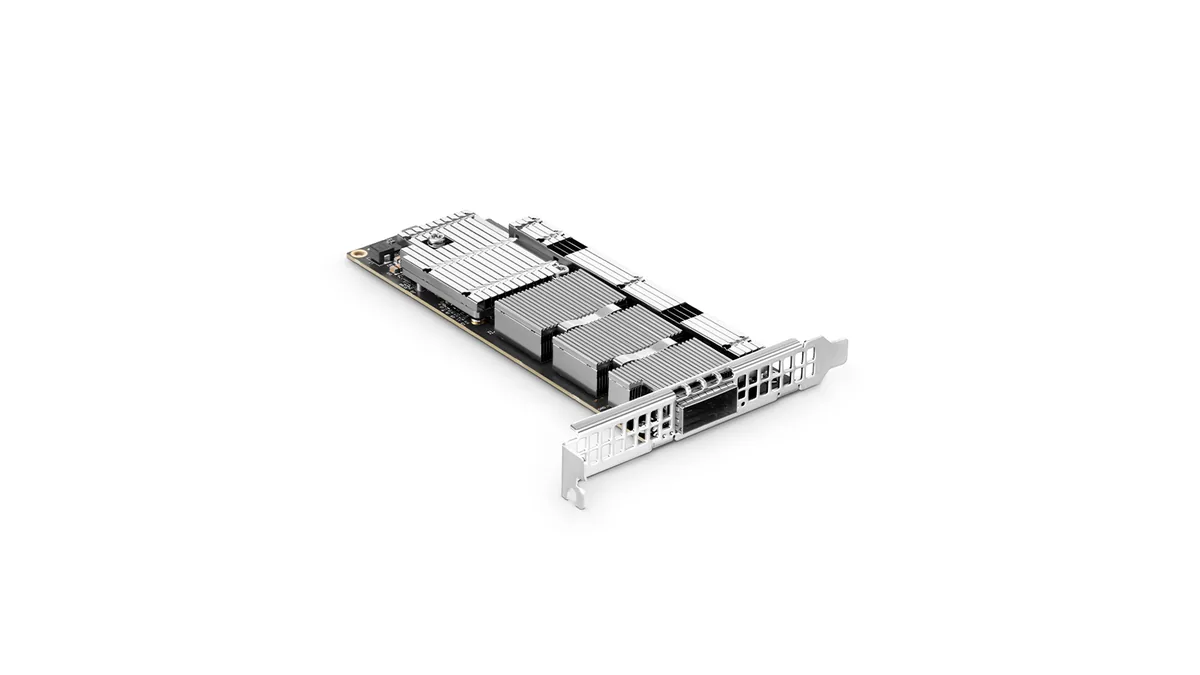 NVIDIA
 ConnectX-7 Adapter Family
Five models across the 400G NDR and 200G NDR200 speed tiersOSFP and QSFP112 interfaces, single and dual port optionsPCIe 5.0 x16 host interface, OCP 3.0 variant available
View details
Price on request
NVIDIA
NVIDIA ConnectX-7 Adapter Family
Five models across the 400G NDR and 200G NDR200 speed tiersOSFP and QSFP112 interfaces, single and dual port optionsPCIe 5.0 x16 host interface, OCP 3.0 variant available
View details
Price on request
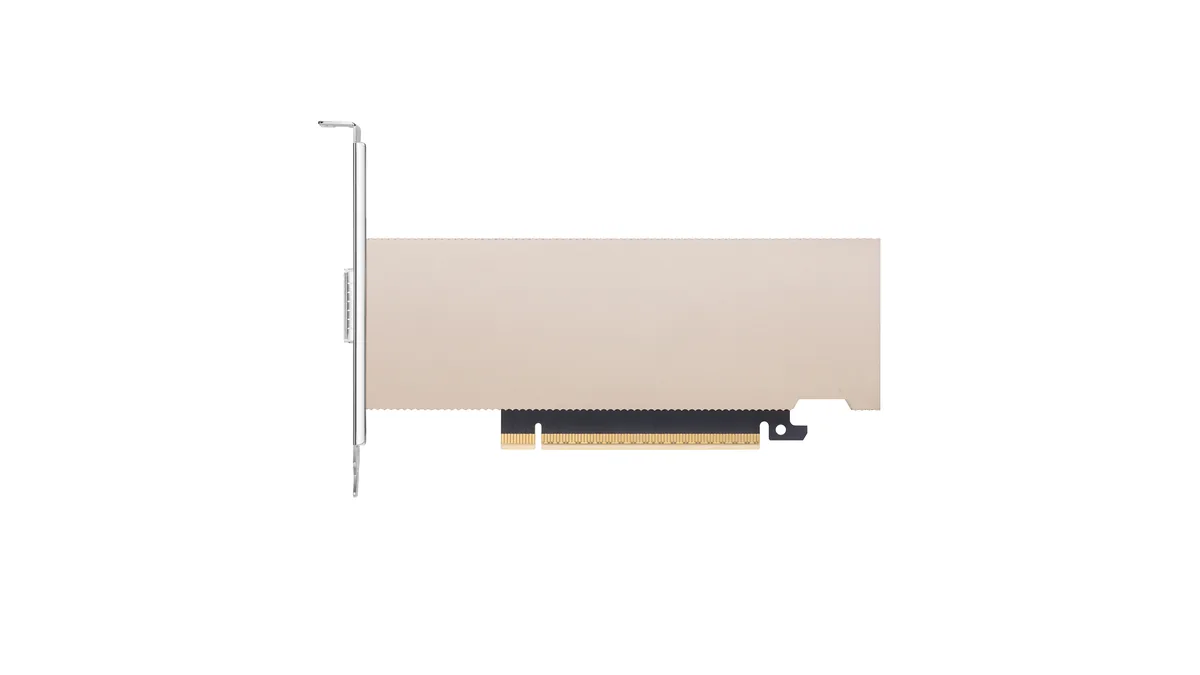 NVIDIA
 ConnectX-8 Adapter Family
800Gb/s XDR — for Blackwell-class GPU nodesPCIe 6.0 x16 host interfaceSocket-Direct architecture with direct paths to both CPU sockets
View details
Price on request
NVIDIA
NVIDIA ConnectX-8 Adapter Family
800Gb/s XDR — for Blackwell-class GPU nodesPCIe 6.0 x16 host interfaceSocket-Direct architecture with direct paths to both CPU sockets
View details
Price on requestFrequently Asked Questions
The adapters are supported on mainstream enterprise Linux distributions through NVIDIA's MLNX_OFED / DOCA-OFED driver packages. Tell us your distribution version and we will state the supported driver release, plus any kernel constraints, with the quote.
VPI-capable models in the ConnectX family can run each port in either InfiniBand or Ethernet mode. That protects the investment in deployments that may move to RoCE later. Product pages state which models support VPI in the specification table.
As part of commissioning we align firmware across every adapter in the fabric. Mixed firmware versions are a common — and hard to diagnose — cause of link instability.
Let's Build Future Together.