
200G QSFP56 InfiniBand HDR Transceiver Family
200G QSFP56 InfiniBand HDR optical modules. 100 m multimode SR4 and 2 km single mode FR4 variants for HDR clusters and expansions.
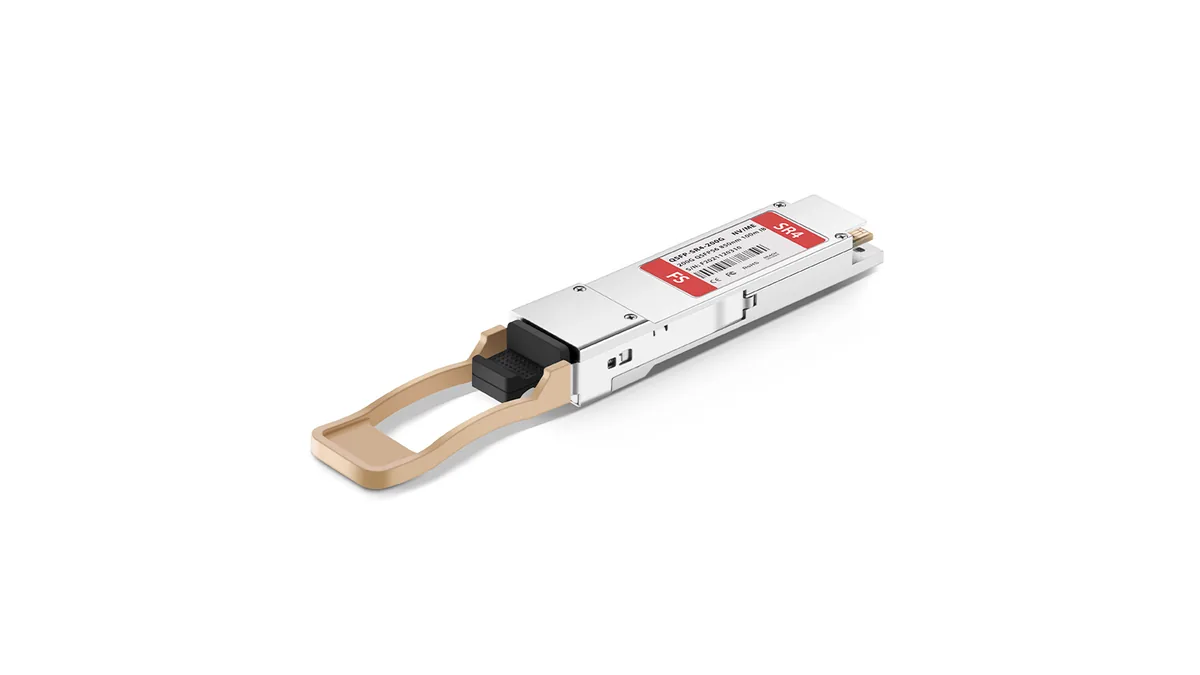
200G QSFP56 InfiniBand HDR Transceiver Family
200G QSFP56 InfiniBand HDR optical modules. 100 m multimode SR4 and 2 km single mode FR4 variants for HDR clusters and expansions.
- 200Gb/s HDR — for expanding existing HDR clusters
- 100 m multimode (SR4) and 2 km single mode (FR4) options
- 4 x 50G PAM4 modulation
- Low power draw at ≤4.35 W (SR4)
HDR200 is InfiniBand’s previous-generation speed tier and still runs in a large number of production clusters. These modules come up in two situations: expanding an existing HDR fabric, and cost-driven new builds.
Two variants are available: SR4, which runs up to 100 metres over multimode fiber, and FR4, which multiplexes four wavelengths to reach 2 km. For short in-rack links, passive copper cable should be preferred over optics — it is cheaper and draws almost no power.
Specifications
| Specification | QSFP56 SR4 MMA1T00-HS | QSFP56 FR4 |
|---|---|---|
| Optical interface | ||
| Center wavelength | 850 nm | 1271 / 1291 / 1311 / 1331 nm |
| Connector | MPO-12/UPC | Duplex LC |
| Max. cable distance | 100 m | 2 km |
| Modulation | 4 x 50G PAM4 | 4 x 50G PAM4 |
| Hardware | ||
| Transmitter type | VCSEL | DML |
| Chip | Marvell | Inphi DSP |
| Power consumption | ≤4.35 W | ≤6.5 W |
| Application | InfiniBand 200G ↔ 200G | InfiniBand 200G ↔ 200G |
Specifications follow the manufacturer datasheet. The exact configuration is confirmed in your quote.
Connectivity Solutions
Expanding an existing HDR cluster
If you already run an HDR200 fabric, expanding at the same speed tier keeps both cabling and topology exactly as they are. New nodes are added with the same module and cable types, and none of the planning overhead of mixed speed tiers appears.
FR4 for long distances
Links between buildings or halls use the FR4 variant, which reaches up to 2 km. Because it multiplexes four wavelengths onto one fiber pair, it requires single mode infrastructure with duplex LC connectors rather than MPO.
The copper alternative at short range
For in-rack HDR links, passive DAC cable is both cheaper and lower-power than an optical module. Optics should only come into play once copper's distance limit is exceeded.
Features
A mature and economical speed tier
HDR200 still delivers sufficient bandwidth for MPI-dominated classical simulation workloads. New builds tend to choose NDR, but for expansions that must protect an existing investment HDR is the right decision.
Low power consumption
At 4.35 W the draw is roughly a third of a 400G or 800G class module. At high port counts that difference shows up directly in the rack power budget.
Spare-part continuity
Waiting during a failure is expensive in production clusters. We recommend keeping HDR module spares, and keeping them of the same variant.
Resources
- 200G QSFP56 SR4 HDR module — product page and variant table Datasheet
- InfiniBand 400G/200G HDR category Compatibility
Documents open on the manufacturer's or supplier's own site.
Request a quote for this product
Tell us the quantity and the cluster it will join; we send a compatible part list with lead times — usually the same business day.
- Authorised dealer supply, manufacturer warranty
- Compatibility check for switch, adapter and optics
- Lead time per line item
Related products
 NVIDIA
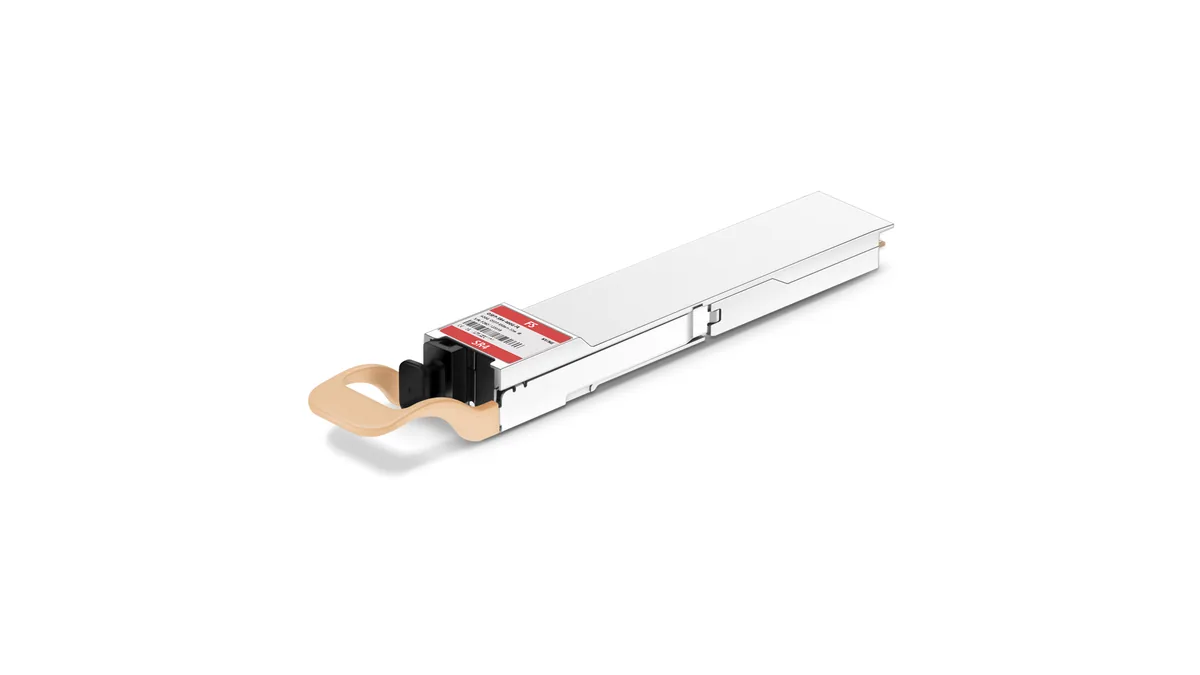
400G InfiniBand NDR Transceiver Family
Single-port 400G — the standard choice on the server adapter sideOSFP and QSFP112 form factors50 m multimode with SR4, 500 m single mode with DR4
View details
Price on request
NVIDIA
400G InfiniBand NDR Transceiver Family
Single-port 400G — the standard choice on the server adapter sideOSFP and QSFP112 form factors50 m multimode with SR4, 500 m single mode with DR4
View details
Price on request
 NVIDIA
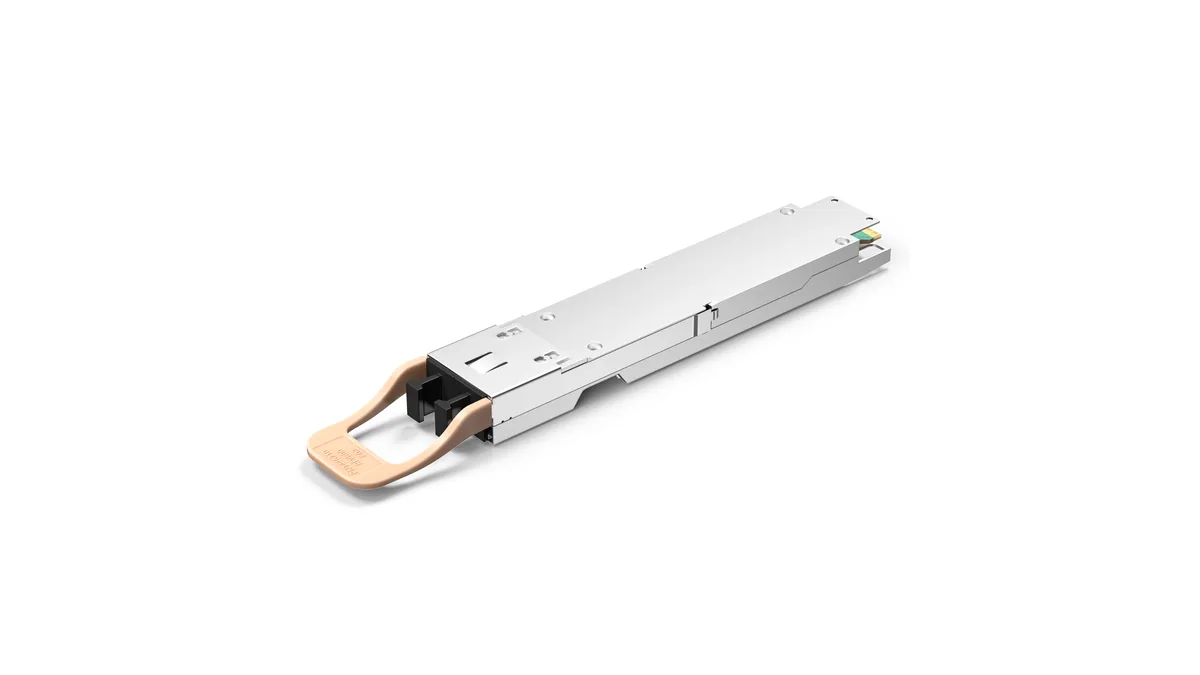
800G OSFP Twin-Port InfiniBand NDR Transceiver Family
Twin-port design: one OSFP port carries two 400G NDR linksFour distance options from 50 m multimode to 2 km single mode8 x 100G-PAM4 electrical interface, 16–17 W typical draw
View details
Price on request
NVIDIA
800G OSFP Twin-Port InfiniBand NDR Transceiver Family
Twin-port design: one OSFP port carries two 400G NDR linksFour distance options from 50 m multimode to 2 km single mode8 x 100G-PAM4 electrical interface, 16–17 W typical draw
View details
Price on requestLet's Build Future Together.